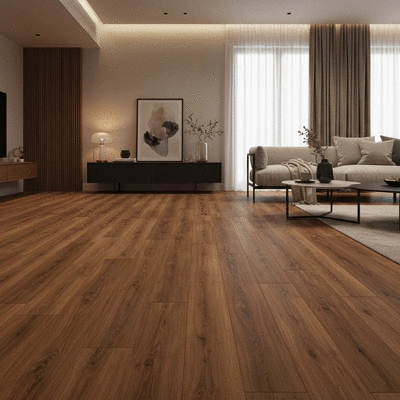
1. Engineered Hardwood
**$4 - $10**
Authentic look, better durability with radiant heat.
Join our community to receive expert home renovation tips, design ideas, and step-by-step guides delivered right to your inbox.
Posted on: 2025-12-06
By: Jordan W. Brooks
Curious about how to enhance your home's comfort and style? Choosing the right flooring for radiant floor heating plays a crucial role in achieving both. This guide will walk you through essential insights about wood-look flooring and its compatibility with heating systems, uncovering how to make a strategic investment in your home.
This visual summarizes key considerations for wood-look flooring, including cost comparisons and essential compatibility factors with radiant heating systems. For more detailed instructions on installation, check out our guide on how to install laminate flooring.
How well materials transmit heat, impacting system efficiency.
Wood products expand/contract with temperature changes; choose accommodating materials.
Select flooring that handles humidity well to prevent warping or damage from heat.
**$4 - $10**
Authentic look, better durability with radiant heat.
**$1 - $5**
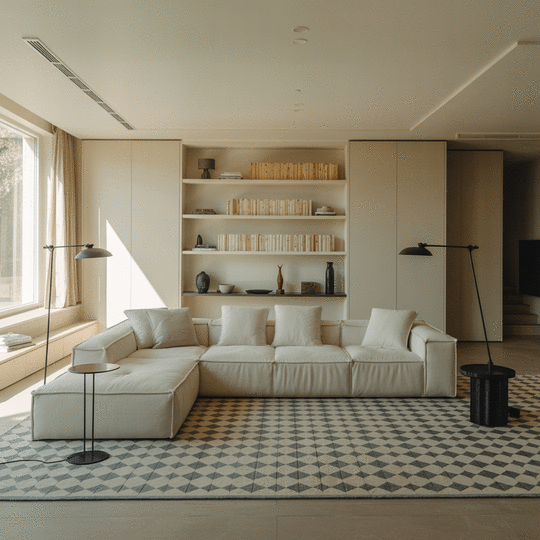
Most affordable, mimics wood, less natural feel.
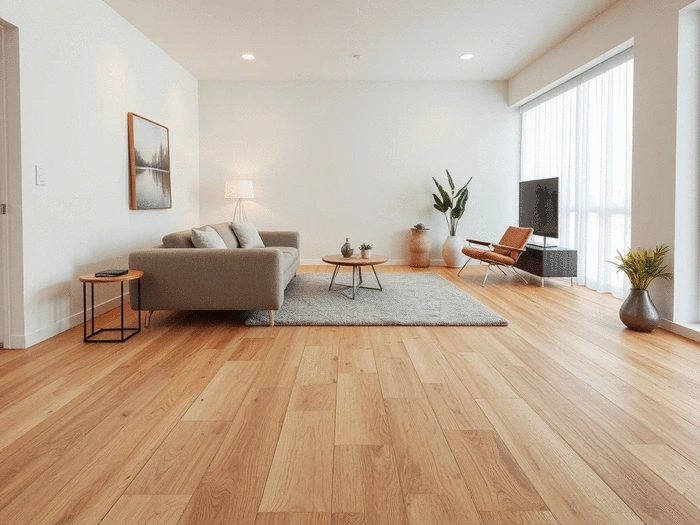
**$2 - $7**
Versatile, waterproof, popular choice.
As a passionate home improvement enthusiast, I often get asked about the best flooring options for homes equipped with radiant floor heating. Understanding the compatibility between wood-look flooring and these heating systems is crucial for achieving both comfort and style in your living space. Let’s dive into the basics.
Radiant floor heating systems are a popular choice for homeowners looking to create a cozy environment. These systems work by warming the floor itself, which then radiates heat into the room, providing a consistent and comfortable temperature. There are two primary types of radiant heating: hydronic (water-based) and electric. Each has its pros and cons, but both can effectively warm your home. To plan your renovation effectively, consider our home renovation planning guide.
When considering radiant heating, it’s also essential to think about flooring materials. Certain materials conduct heat better than others, influencing your home's overall warmth and energy efficiency.
Wood-look flooring has become increasingly popular due to its aesthetic appeal and versatility. With options like laminate, vinyl, and engineered hardwood, homeowners can achieve the desired look of natural wood without the associated upkeep. Here are a few reasons why you might consider wood-look flooring:
As someone who has worked with various flooring types, I can tell you that wood-look options not only enhance the beauty of your home but also make it easier to maintain a warm atmosphere when paired with radiant heating.
When choosing wood-look flooring for a home with radiant heat, compatibility is key. Not all flooring materials react the same way to heat, which can affect the overall performance and longevity of your flooring. Here are some essential factors to consider:
By keeping these considerations in mind, you can ensure a successful and lasting installation of wood-look flooring with radiant heating, making your home both comfortable and stylish!
When selecting wood-look flooring for radiant floor heating, always check the manufacturer's specifications for compatibility. Look for materials specifically labeled as suitable for use with radiant heat, as this will help you avoid issues with expansion and contraction.
When it comes to home renovations, understanding the costs and return on investment (ROI) for wood-look flooring is crucial. As a contractor with over a decade in the renovation industry, I’ve seen how the right flooring choice can elevate a space and enhance property value. It's not just about the initial outlay; it's also about the long-term savings and benefits that can come from your investment.
Many homeowners I work with are surprised to learn that while initial costs can vary widely, the long-term savings often make wood-look flooring a smart choice. This section will break down the essential aspects to consider when evaluating costs and expected returns.
The initial investment in wood-look flooring can range significantly based on the type of material you choose. For instance, engineered hardwood typically costs more upfront than laminate, but it can offer better durability and performance in radiant heating systems. Here’s what you should keep in mind:
By assessing these factors, you can make a more informed decision about your flooring investment. Remember, it’s not just about what you pay today but how that aligns with your long-term home comfort and financial goals!
Let’s dive deeper into the cost comparisons among engineered wood, laminate, and vinyl options. Each of these materials offers unique benefits and pricing. Here’s a quick rundown:
Choosing the right flooring for your home is not just about price. Consider how each option fits into your overall design goals and lifestyle needs!
Investing in quality flooring can significantly impact your home’s resale value. Buyers often see flooring as a foundational element of a home’s appeal. A few insights from my experience:
Ultimately, when you choose wood-look flooring, you’re not just selecting a style; you’re making a strategic investment in your property’s future! For broader insights on improving your home's appeal, explore home remodeling trends for 2025.
The two main types are hydronic (water-based) and electric systems. Hydronic systems use heated water circulating through pipes, while electric systems use electrical heating cables or mats installed under the flooring.
Wood-look flooring is popular for its aesthetic appeal, versatility, durability (resisting scratches, dents, and moisture), and cost-effectiveness compared to traditional hardwood.
Key factors include thermal conductivity (how well materials transmit heat), expansion and contraction (choosing materials that accommodate temperature-induced movement), and moisture resistance (selecting flooring that handles humidity well to prevent damage).
While initial costs vary by material type (e.g., engineered hardwood vs. laminate), higher-quality wood-look flooring often leads to long-term savings through reduced maintenance and improved energy efficiency from radiant heating, potentially lowering energy bills.
Investing in quality wood-look flooring can significantly increase a home's market appeal, attract buyers quicker, and yield a return of up to 70-80% of the installation costs when the home is sold. It plays a vital role in potential buyers' initial perception.
Here is a quick recap of the important points discussed in the article: